
 Chemicals
 Lab Accessories & Equipment
 Filteration
Water Test Kits Explained: COD, Ammonia & Phosphate Measurement Guide | Ario Exir Mandegar
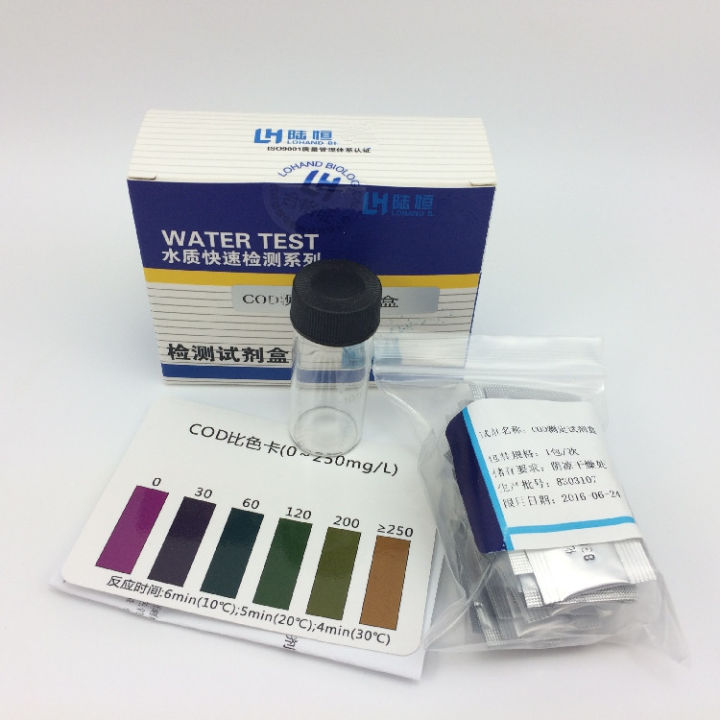
Water test kits offer fast, accurate measurement of key water quality parameters. Learn how COD, ammonia, and phosphate test kits work and how to choose the right one.
Water Test Kits Explained: A Guide to Measuring COD, Ammonia, and Phosphate
Water and wastewater quality control is one of the most critical tasks for environmental laboratories, treatment plants, manufacturing facilities, and research centers. To measure key water quality parameters quickly and accurately, laboratories rely on water test kits — tools that use pre-formulated chemical reactions to determine the concentration of various substances without the need for complex laboratory equipment. In this article, we'll look at how water test kits work, cover three of the most commonly used parameters — COD, ammonia, and phosphate — and explain how to choose the right kit.
How Do Water Test Kits Work?
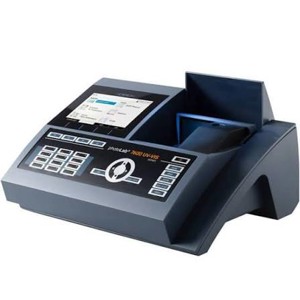
Water test kits typically contain pre-prepared chemical reagents (in powder, tablet, or liquid form) that produce a specific color or chemical reaction when added to a water sample. The intensity of this reaction is then converted into a parameter concentration, either using a spectrophotometer or photometer, or through visual color comparison. Compared to classical laboratory methods, such as titration or full standard laboratory procedures, this approach is much faster and simpler, and it's also well suited to on-site field measurements.
Three Key Parameters in Water Quality Analysis
1. Chemical Oxygen Demand (COD)
COD indicates the amount of oxygen required to chemically oxidize the organic and inorganic matter present in water, making it one of the most important indicators of water and wastewater pollution. COD test kits typically include pre-filled cuvettes containing a dichromate reagent; the sample is heated in a digestion device, and the resulting concentration is then read using a spectrophotometer or photometer. This parameter is widely used for monitoring industrial and municipal wastewater treatment plants.
2. Ammonia
High ammonia concentrations in water can indicate pollution from domestic sewage, agricultural runoff, or industrial discharge, and are toxic to aquatic life. Ammonia test kits are generally based on the Nessler or salicylate method, producing a color proportional to ammonia concentration that allows for precise measurement.
3. Phosphate
Phosphate is one of the main drivers of eutrophication — the excessive growth of algae in water bodies. Phosphate test kits use an ammonium molybdate reaction to determine dissolved phosphate concentration through a color change in the sample. This parameter is important for monitoring the quality of rivers, lakes, and effluent from the food and agricultural industries.
Advantages of Using Water Test Kits
- Speed: results are available within minutes, or up to a few hours in the case of COD
- Ease of use: no advanced analytical chemistry expertise required, suitable for non-specialist operators
- On-site capability: many kits are designed specifically for field measurements
- Cost-effectiveness: significantly lower cost compared to classical laboratory methods
- Reliable repeatability: when standard conditions are followed, results are consistent and reproducible
Key Considerations When Choosing and Using a Water Test Kit
- Measurement range: should match the expected concentration in your sample — an unsuitable range will produce inaccurate results
- Compatibility with reading instruments: some kits are designed specifically for use with a particular photometer or spectrophotometer model
- Expiration date and storage conditions: chemical reagents are sensitive to temperature and light and must be stored according to the manufacturer's instructions
- Compliance with reference standards: for official reporting, the kit should be validated against internationally recognized standard methods such as APHA or ISO
WTW Water Test Kits at Ario Exir Mandegar
As the supplier of WTW products in Iran, Ario Exir Mandegar offers a complete range of water test kits — including COD, ammonia, phosphate, nitrate, and other water and wastewater quality parameters — along with compatible photometers and spectrophotometers. These products are available to environmental laboratories, treatment plants, and manufacturing facilities across the country, backed by technical support and user training.
Conclusion
By combining accuracy, speed, and ease of use, water test kits are a practical tool for continuous water and wastewater quality monitoring in laboratories and industrial facilities. Choosing the right kit — based on the target parameter, measurement range, and compatibility with your reading instrument — plays a key role in the accuracy of your results and the efficiency of your environmental monitoring processes.
To explore Ario Exir Mandegar's range of water test kits and photometric instruments, visit www.arioexir.com or call +98 912 636 0013.
Were you satisfied with the content?