
 Chemicals
 Lab Accessories & Equipment
 Filteration
What Is a Spectrophotometer? Applications, Types, and a Practical Buying Guide
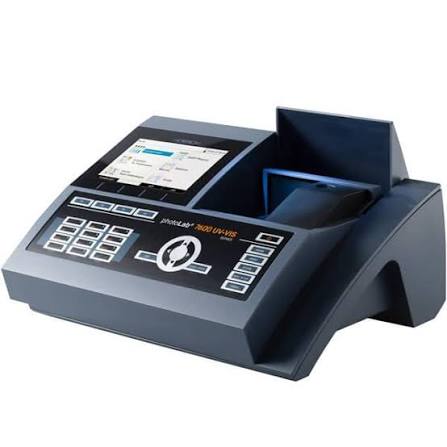
A spectrophotometer is one of the most widely used analytical instruments in modern laboratories. Learn how it works, its main types, and what to look for before buying one.
The spectrophotometer is one of the most fundamental and widely used instruments in chemistry, microbiology, food science, pharmaceutical, and environmental laboratories. By measuring how much light a solution absorbs or transmits, this instrument allows researchers to determine the concentration of a substance with high precision. In this article, we'll cover how a spectrophotometer works, its main types, and the key factors to consider when choosing the right one for your lab.
How Does a Spectrophotometer Work?
A spectrophotometer operates on the principle of the Beer-Lambert Law, which describes the relationship between light absorbance, the concentration of a substance, and the path length light travels through a solution. Inside the instrument, a light source — typically a tungsten lamp for the visible range and a deuterium lamp for the ultraviolet range — generates a beam at a specific wavelength. This beam passes through the sample, and part of it is absorbed by molecules in the solution. A detector then measures the remaining light intensity, and the instrument calculates absorbance or transmittance, from which the concentration of the target substance is derived.
Main Components of a Spectrophotometer
- Light source: generates the light beam across the required wavelength range
- Monochromator: isolates a specific wavelength from the light source
- Sample chamber (cuvette holder): holds the liquid sample or solution
- Detector: converts the transmitted light signal into a measurable electrical signal
- Processing unit and display: records and displays absorbance and concentration data
Types of Spectrophotometers by Wavelength Range
UV-Vis Spectrophotometers
The most commonly used type, operating in the ultraviolet and visible light range. UV-Vis instruments are suitable for analyzing a broad range of organic and inorganic compounds.
Infrared (IR) Spectrophotometers
Used to identify functional groups in organic compounds by analyzing light absorption in the infrared range.
Atomic Absorption Spectrophotometers (AAS)
Designed specifically to measure the concentration of metallic elements in environmental, industrial, and biological samples.
Key Applications Across Industries
- Water and wastewater laboratories: measuring parameters such as COD, ammonia, phosphate, nitrate, and turbidity
- Food industry: quality control of color, additive concentration, and nutrient content
- Pharmaceutical industry: determining purity and active ingredient concentration during production and quality control
- Biological and medical laboratories: measuring protein, DNA, and RNA concentration in biological samples
- Chemical research: studying reaction kinetics and identifying unknown compounds
What to Consider Before Buying a Spectrophotometer
1. Required Wavelength Range
Depending on your application (UV, visible, or both), choose an instrument that covers the wavelength range your tests actually require.
2. Accuracy and Wavelength Resolution (Bandwidth)
A narrower bandwidth provides better resolution between closely spaced wavelengths, which is critical for high-precision analysis.
3. Calibration and Traceability
The instrument should support regular calibration and results traceable to reference standards.
4. Software and Data Storage Capabilities
Modern spectrophotometers can store calibration curves, export data to a computer, and run pre-programmed standard methods — for example, standard methods for water analysis.
5. Brand Reputation and After-Sales Support
Choosing an instrument from a globally trusted brand such as WTW, backed by local technical support and spare parts, helps avoid long downtimes in your lab operations.
Maintenance and Calibration Tips
To maintain measurement accuracy over time:
- Keep cuvettes clean and avoid scratching their optical surfaces
- Perform periodic calibration using certified reference standards
- Avoid exposing the instrument to direct sunlight, humidity, and sudden temperature fluctuations
- Follow the manufacturer's power on/off procedures to extend lamp lifespan
WTW Spectrophotometers at Ario Exir Mandegar

As the official supplier of WTW products in Iran, Ario Exir Mandegar offers a wide range of laboratory spectrophotometers, purpose-built for water and wastewater analysis and quality control. These instruments make it easy to run standardized methods for measuring parameters such as COD, ammonia, and phosphate. Every unit comes with installation, setup, user training, and after-sales support from Ario Exir Mandegar's technical team.
Conclusion
A spectrophotometer is a key tool for achieving accurate, reliable results across many types of laboratories. Choosing the right instrument for your specific application — backed by proper technical support — plays a major role in the quality of your research and quality-control processes.
Were you satisfied with the content?