
 Chemicals
 Lab Accessories & Equipment
 Filteration
Calibration and Maintenance of Laboratory Equipment: A Complete Guide for Precision Labs
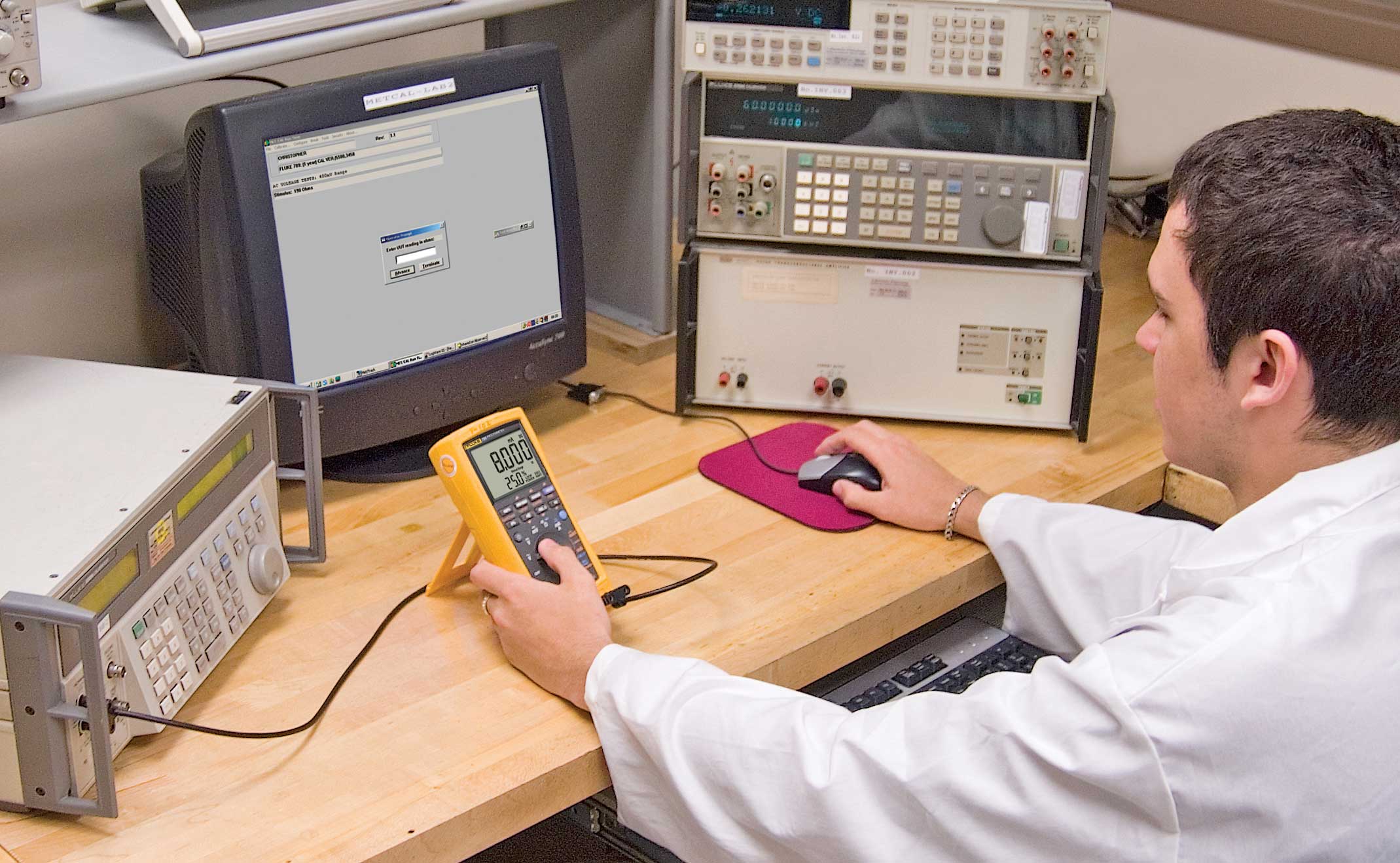
Calibration is the process of comparing the output of a measuring instrument against a known reference standard to determine and, if necessary, correct any deviation
Read Time: 9 minutes | Date: July 2025
Keywords: laboratory equipment calibration, preventive maintenance, ISO 17025, measurement accuracy, equipment service
Table of Contents
- What is Calibration and Why Does It Matter?
- The Difference Between Calibration, Verification, and Adjustment
- Standard Calibration Intervals
- Commonly Used Equipment That Requires Calibration
- Principles of Preventive Maintenance
- Consequences of Neglecting Calibration
- Summary
1. What is Calibration and Why Does It Matter?
Calibration is the process of comparing the output of a measuring instrument against a known reference standard to determine and, if necessary, correct any deviation. Every measuring device — from analytical balances to pH meters and spectrophotometers — experiences drift over time due to use and environmental factors.
Without regular calibration, this drift gradually creeps into test results without the lab specialist even noticing. For this reason, calibration is not a peripheral cost but a core part of a laboratory's quality infrastructure.
Key Statistics:
- 68% of measurement errors are linked to uncalibrated equipment
- Most equipment requires calibration on a 12-month cycle
- Regular preventive maintenance reduces equipment failures by up to 40%
2. The Difference Between Calibration, Verification, and Adjustment
These three terms are often confused, but each has a distinct meaning:
- Calibration — Comparing an instrument against a reference standard and recording the deviation, without necessarily modifying the device
- Verification — Checking whether an instrument is still operating within its acceptable accuracy range
- Adjustment — Physically correcting an instrument to bring its output to the correct value, typically performed after calibration
3. Standard Calibration Intervals
Calibration intervals depend on the type of instrument, frequency of use, and sensitivity of the experiments involved:
| Equipment | Recommended Calibration Interval |
|---|---|
| Analytical Balance | Every 6 to 12 months |
| pH Meter | Daily to weekly (before each test series) |
| Adjustable Pipettes | Every 3 to 6 months |
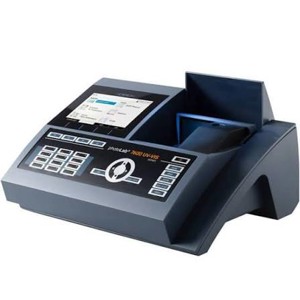
| Spectrophotometer | Every 12 months |
| Autoclave | Every 6 to 12 months |
| Incubator & Lab Refrigerator | Daily temperature monitoring + annual calibration |
Note: These intervals are general guidelines; always follow manufacturer instructions and ISO 17025 requirements.
4. Commonly Used Equipment That Requires Calibration
Analytical Balances
Even the smallest weighing deviation can invalidate the entire result of a quantitative experiment. These instruments should be installed on vibration-isolated surfaces and calibrated regularly using reference weights.
Adjustable Pipettes
Pipettes are the most frequently used tools in any laboratory, yet they are often overlooked. A small error in dispensed volume can cause a cascading effect in concentration-sensitive experiments.
Temperature Measurement Devices
Incubators, refrigerators, and water baths must be continuously monitored, as temperature fluctuations can affect biological samples and chemical reactions.

5. Principles of Preventive Maintenance
Preventive maintenance complements calibration and helps prevent sudden equipment failures:
- Establish a regular inspection and service schedule for each instrument
- Maintain complete records of service history, calibration, and failures for every piece of equipment
- Perform daily cleaning and maintenance according to manufacturer guidelines
- Use genuine spare parts for repairs
- Train staff to recognize early warning signs of equipment failure
6. Consequences of Neglecting Calibration
Neglecting regular calibration can have serious consequences:
⚠️ Warning: Laboratories unable to provide valid calibration certificates will fail ISO 17025 and GMP inspections and risk losing their accreditation.
Beyond legal risks, uncalibrated equipment can lead to faulty production decisions, incorrect medical diagnoses, and ultimately the loss of trust from clients and regulatory bodies.
7. Summary
Calibration and preventive maintenance are two sides of the same coin, ensuring the accuracy, safety, and scientific credibility of a laboratory. Investing in a regular calibration program is, in the long run, far less costly than correcting errors caused by faulty equipment.
A laboratory with a regular calibration program not only operates with greater precision but also performs with more confidence during standards inspections.
Contact our experts for calibration services or consultation on new laboratory equipment.
Were you satisfied with the content?